
The speech-analysis tool was listening to the interviewer too
When a feedback app merged two voices, I specified whose words should count in the analysis.
From a conversation to usable feedback
We were building an application that turned recorded customer interviews into feedback a business could review. At an event two colleagues used it to interview people. Each recording contained at least two voices, because the person doing the interviewing was speaking too.
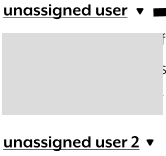
When both voices arrive as one transcript
The transcription put both people’s words into one stream. Anyone reading it had to work out who said what. The analysis had an even bigger problem. If the interviewer said “That was confusing, was it?”, the software could treat “confusing” as the customer’s opinion before it got to their answer.
I wrote a brief to distinguish the speakers in the transcript, let a reviewer assign their roles, and calculate sentiment and insights from the customer’s words. That also meant the reviewer needed a way to fix a mistaken assignment.
A specialist worked on speaker separation
I brought in a specialist, shared his approach with the team and recorded his report that the task was complete in May 2022. The brief below shows what we asked him to solve and how the labels would work in the inbox. The account of the work ends at specialist handover, before any measured accuracy or release coverage.
“CRM to then only measure the consumer user when measuring sentiment or insights or analytics”