
The watch was in the catalogue. Could another shop actually sell it?
A partner shop could see a watch it didn’t own. To find out whether it could sell it, we had to follow the customer all the way to checkout.
The idea was that one jeweller could offer another shop’s stock. The owner listed the watch, a second retailer added it to their shop, and a customer could buy it there. There were plenty of places to demonstrate a successful listing. Only one person in that chain was going to be asked for money.
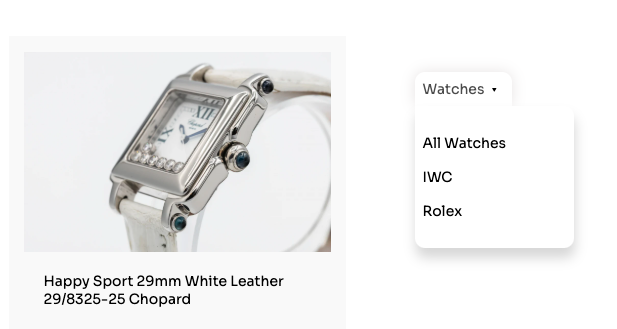
I asked our tester to go through a dropship order from the beginning. She picked a watch and checked where a shopper would find it. It appeared under all watches. The category she’d selected was missing from the menu. Further on, the product picture showed in the basket, then gave way to a logo at checkout.
The decimal point
I took a turn testing while my colleague was away. A £200 item came through checkout at £20. Delivery was missing from the total as well. Those were the two details I most wanted recorded. Even if we fixed the menu and the photograph, the shop would still be offering the wrong price.
Our tester kept a screen recording of the basket and we carried the outstanding problems into a second round. Closing the first ticket still left four points for the team to work through.
When the shop could use it
The following March a reviewer found the marketplace item at the point of sale and said they were ready to take it to the team. I shared an eighteen-page guide. One of its checks is wonderfully plain. Look at the partner’s storefront and compare the unit price with the ticket price.
There was another ordering problem in May. A tester reported a successful run in June, without saying which route they had used. If I were handing this to a new retailer, I’d still give them that page of the guide and get them to take their own watch through checkout.

 Available On-site or Remotely